

Why Pre-Construction Planning Matters More Than Most People Realize
Pre-construction is where projects are either set up for success—or quietly set up for problems. Decisions made before work begins impact timelines, budgets, inspections, and overall quality.
Many issues blamed on “construction delays” actually start long before crews arrive on site. Avoiding common pre-construction mistakes helps ensure smoother execution, fewer surprises, and better long-term results.
Mistake #1: Starting Without a Clearly Defined Scope
One of the most common pre-construction mistakes is beginning work without a clearly defined scope. Vague expectations often lead to confusion, change orders, and disputes later in the project.
A solid scope should clearly outline:
- What work is included
- What work is excluded
- Materials and finishes
- Timeline expectations
Clarity upfront prevents misunderstandings once construction begins.
Mistake #2: Ignoring Site Conditions Early On
Every site is different. Grades, drainage, soil conditions, access points, and existing structures all influence how a project should be built.
Failing to evaluate site conditions early can lead to:
- Unexpected excavation costs
- Drainage problems
- Structural complications
- Schedule delays
A professional pre-construction review identifies these challenges before they become costly issues.
Mistake #3: Choosing a Contractor Based on Price Alone
Lowest price does not equal best value. Contractors who underbid often make up the difference through rushed work, poor coordination, or cutting corners.
Pre-construction should focus on:
- Experience with similar projects
- Licensing and insurance
- Communication and planning approach
- Ability to foresee challenges
The right contractor helps protect your budget—not just your upfront cost.
Mistake #4: Overlooking Permits and Approvals
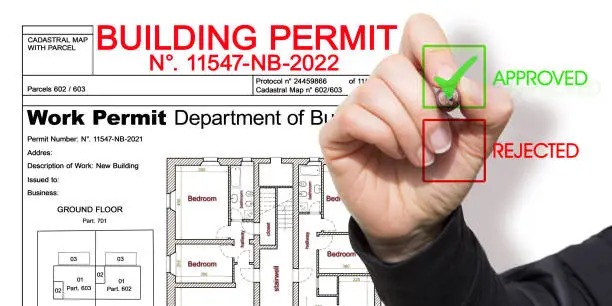
Permits and inspections are not optional, and overlooking them can bring a project to a complete stop. Delays caused by missing paperwork or improper approvals can derail schedules quickly.
Proper pre-construction planning accounts for:
- Required permits
- Inspection timelines
- Local compliance requirements
- Documentation preparation
Handling this early keeps projects moving without interruptions.
Mistake #5: Failing to Plan for Changes
Even well-planned projects evolve. What matters is how changes are handled. Without a plan, adjustments can quickly spiral into delays and budget issues.
Successful pre-construction includes:
- Clear change-management procedures
- Communication protocols
- Documentation standards
This keeps decisions controlled and transparent when adjustments are needed.